
01 Pages : 1-27
- Bruns, A. (2015). Making sense of society through social media. Social media+ society, 1(1),
- Chong, D., &Druckman, J. N. (2007). Framing theory. Annu. Rev. Polit. Sci., 10, 103-126.
- Clarke, V.,& Braun, V. (2017). Thematic analysis, The Journal of Positive Psychology, 12:3, 297-298,
- Diehl, T., Weeks, B. E., & Gil, Z. H. (2016). Political persuasion on social media: Tracing direct and indirect effects of news use and social interaction. New media & society, 18(9), 1875-1895.
- Dorschel, R. (2021). Analyseeineremergierenden Profession mittelseinerVerknüpfung von Diskurs- und Feldtheorie. In Soziologie 1/2021: Forum der DeutschenGesellschaftfürSoziologie (94). Campus Verlag.
- Druckman, J. N. (2001). The implications of framing effects for citizen competence. Political behavior, 23(3), 225-256
- Entman, R. M., &Rojecki, A. (1993). Freezing out the public: Elite and media framing of the US anti†nuclear movement
- Khaliq, A. (2022). Pakistan: Regime Change, Political Turmoil and Deepening Debt Crisis. Retrieved on November 28, 2022
- Kitaeva, E., &Ozerova, O. (2019). Intertextuality in political discourse. In Language, power, and ideology in political writing: Emerging research and opportunities (143-170). IGI Global.
- Maragha, A., (2022). Public Discourse Overview & Examples.
- Papacharissi, Z. (2015). We have always been social. Social Media+ Society, 1(1),
- Ruiz, J. R. (2009). Sociological discourse analysis: Methods and logic. In Forum qualitative sozialforschung/Forum: Qualitative social research, 10(2).
- Tari, Z. G., &Emamzadeh, Z. (2018). An Analysis of the Media Messages during the 2016 US Presidential Election: A Thematic Comparison between CNN News and Donald Trump's Tweets. J. Pol. & L., 11, 78
- Van Dijk, T. A. (1997). What is political discourse analysis. Belgian journal of linguistics, 11(1), 11-52.
- Yang, X., Chen, B. C.,Maity, M., & Ferrara, E. (2016). Social politics: Agenda setting and political communication on social media. In International conference on social informatics (330-344). Springer, Cham.
Abstract:
In today’s day and age, the social media platforms like Facebook and Twitter have converted a rather conventionally one way ‘political communication’ process into an effective and influential two-way communication process. This two-way communication process has an impact on the political communication phenomenon all around the world. Bearing in mind this aspect the researcher has attempted to explore how and to what extent the ‘public discourse’ matched or differed from the ‘political discourse’ regarding the political ‘regime change’ in Pakistan that took place in the first half of the April 2022. Employing the ‘Framing’ as theoretical basis the researcher has attempted to determine how the ‘regime change’ was framed in the political and public discourse. The researcher has employed thematic analysis as methodological tool in this study to identify, analyze and interpret the meanings within the political and public discourse in the backdrop of the ‘regime change’ appeared in the Facebook pages of the top three political parties in Pakistan i.e. Pakistan Tehreek-E-Insaaf (PTI), Pakistan Muslim League- Nawaz (PML-N) and Pakistan Peoples Party (PPP).
Key Words:
Political Discourse, Public Discourse, Political Communication, Social Media, Facebook, Twitter, Thematic Analysis, Framing
Introduction
Social media platforms like Facebook and Twitter have provided the general public with a source and media to express their opinion along with gaining information. In today’s day and age, social media have converted a rather conventionally one-way ‘political communication’ process into an effective and influential two-way communication process. The two-way communication process allows the ‘receivers’ to respond directly to the ‘senders’ of the political messages through the same medium without conventional ‘gatekeeping’ processes and editorial controls. This two-way communication process has an impact on the political communication phenomenon all around the world. Politicians, leaders, authorities, celebrities and institutions have been found apologizing to the public for their opinions and decisions because of the response they get from social media users. Bearing in mind this aspect the researcher intends to explore how and to what extent the ‘public discourse’ matches or differs from the ‘political discourse’ regarding the political ‘regime change’ in Pakistan that took place in the first half of April 2022. Employing the ‘Framing’ as a theoretical basis the researcher would determine how the ‘regime change’ has been framed in the political and public discourse. The researcher would employ thematic analysis as a methodological tool in this study to identify, analyze and interpret the meanings within the political and public discourse regarding the ‘regime change’ that appeared on the Facebook pages of the top three political parties in Pakistan i.e. Pakistan Tehreek-E-Insaaf (PTI), Pakistan Muslim League- Nawaz (PML-N) and Pakistan Peoples Party (PPP).
In a historic political move, the joint opposition political parties of Pakistan under the umbrella of the ‘Pakistan Democratic Movement’ (PDM) were able to overthrow the ruling Pakistan Tehreek-E-Insaaf (PTI) government on April 10, 2022. Consequently, the deposed Prime Minister Imran Khan created the narrative of a ‘Regime Change Conspiracy’ and called for an early election. Meanwhile, he was also been the first politician of Pakistan to set up an effective social media campaign for his cause by building and destroying public perceptions via the tools presented in the form of Twitter, Facebook, TikTok and YouTube. What started out as an internal political displacement in Pakistan used the aforementioned ladder of ‘USA Conspiracy’ to become a call for revolution by the public of Pakistan. At least 50% of Pakistan’s population stood with Imran Khan in the period of May-September 2022 and the former premier continued to hold several gatherings panning far and wide across the country. One can deduce from these moves that the man under discussion knows how to build and maintain narratives (Khaliq, 2022).
The whole issue of the ‘regime change’ has been the topic of discussion for social media users and activists for a long time. Both the political parties, politicians, BOTs, Imran Khan, PDM supporters and social media activists participated actively in the discussions. Both the ‘political discourse’ and the ‘public discourse’ have been produced in abundance. Social media platforms carried an enormous influx of public opinion during the whole process of regime change, and its aftermaths. Multiple press conferences were held by major politicians and ISPR to inform the public of the latest happenings, driving public discourse on the issue. Imran Khan went on the process of showing close-ups of his injured leg and his social media team updated the public on his plans and proceedings 24/7. Thus, we observed that the public discourse was formed largely for Imran Khan rather than for the people in power. Political discourse related to regime change has been clouded by closed-door dialogues and under-the-table deals, as expected in a third-world country with a foreign policy dependent on the USA and its allies. What the outside world knows for real is that for the first time in Pakistan’s history, the political setup was allowed to be completed and that resulted in the ending of a serving PM’s tenure.
So, it is only pertinent to explore and analyse the political parties' narratives, and the public responses regarding the 'regime change' in Pakistan and to find out the predominant themes in the political and public discourse in the backdrop of the 'regime change'. It is also important to determine the extent to which the political parties' narrative is replicated and reflected in the public responses in the backdrop of the 'regime change' in Pakistan. Therefore, the following are the main questions of this research endeavour;
? What are the predominant themes within the political and public discourse appearing in the Facebook pages of the PTI, PML-N and PPP in the backdrop of the ‘regime change’ in Pakistan during April 2022?
? Which political party's narrative is more reflected
? among the public response in the backdrop of the 'regime change' in Pakistan?
Operationalization of Key Terms ‘Political Discourse’
In a generalized form discourse is the conversation in any form of communication. Drawing on the pioneer work by Michel Foucault the social theory sees the discourse as a process of thinking, knowledge, and communication that constitutes our experience about the outer world. This feature of the discourse controlling the world's perception amounts to the notion of holding power by controlling the discourse (Dorschel, 2021). Within the premises of social sciences and humanities, discourse is considered a formal way of thinking expressed through language (Ruiz, 2009). Political scientists closely link discourse with politics and the process of policy-making (van Dijk, 1997). Political discourse is the discourse in the form of talk and text produced by various political institutions, professional politicians, governments, and political parties at regional, local, national and international levels (Kitaeva and Ozerova, 2019).
In this study by ‘political discourse’ the researchers mean the text produced in posts on the Facebook pages of the PTI, PML-N and PPP from March 25, 2022, to April 25, 2022, in the backdrop of the ‘regime change’ in Pakistan.
‘Public Discourse’
Public discourse is a method or forum opted by the public to voice their concerns, opinions and sentiments regarding any concerning issues, decision-making processes and/or decisions around them (Maragha, 2022).
In this study by ‘public discourse’ the researcher means the verbal and non-verbal codes (text, pictures, caricatures, signs, symbols, animations etc.) employed in the public response under the posts of the Facebook pages of the PTI, PML-N and PPP during March 25, 2022 to April 25, 2022 in the backdrop of the ‘regime change’ in Pakistan.
Literature Review
There is a plethora of research available that can be provided as evidence in support of the claim that social media as a platform has become inevitable in our daily personal, social and professional lives (Papacharissi, 2015). The author argues that the term social media is somewhat redundant in the sense that all media are, in fact, by their very nature, social. The use of the term social media creates this impression that somehow there exist certain types of social media that are perhaps unsocial or anti-social, which of course is not the case at all. All media, in one manner or another, serve as a means of communication and therefore are social by default. The author also suggests that the term social media also puts an unnecessary emphasis on the degree of the sociality of each social media platform/ entity and prompts comparison. It is an established fact that all social media platforms tend to vary in how they operate and have a unique way of allowing users to be social within the confines of their digital systems.
Probably the most compelling notion that the author puts forth within the paper is how even the refusal to participate in social media activities is a kind of a social statement and conscious decision on the part of an individual. I believe the author makes a valid point and the idea of moulding this journal around the concept of how social media exists in interaction with the evolving times, eras, and present and future social setups is quite a fresh approach, to say the least. Approaching the subject matter of social media through this lens would ultimately not only make for an interesting read within the journal but also create space for divergent thoughts and ideas to come forth through the encouragement of discourse and open-source information sharing between various experts within this niche (Papacharissi, 2015).
The 2016 U.S. presidential elections, perhaps, offer a single most unique case study of how instrumental social media can be in political communications and in handling and maintaining a public presidential image. In their research paper, Tari and Emamzadeh(2018) study the interactions between CNN (apparently one of the biggest anti-Trump opponents out of all the U.S news media outlets covering the 2016 presidential elections) and Donald Trump (the presidential candidate for the Republican party) between October 7th and October 31 period by applying a thematic analysis on the content produced by either party during that time. Interestingly enough, a thematic analysis of CNN’s anti-trump coverage and Trump’s tweets revealed that Trump’s primary strategy was to avoid and ignore any or all accusations, statements, or allegations made against his character or his competency as a president. He refused to respond to CNN’s constant negative coverage of him, e.g. calling him out as a racist, a tax evader, and an unstable president of the U.S. In fact, his counter-attacks were never about defending himself, they were always aimed at pointing out the incompetence and incapacities of his opposing candidates including Hillary Clinton and even Obama. He publicly stated that ‘Obama Care’ was a total and utter failure and called out Clinton's financial dishonesty as a means to fight back (Tari&Emamzadeh, 2018).
Bruns(2015) argues that even the processes of media production are dependent on socialization. Ultimately, the very nature of social media content and social media itself is based on sociality from consumers consuming content and generating discourse around that content to producers, directors, and actors navigating the very social nature of the pre-production phase. The authors suggest that while all media may be social, including telephones and radios, there are some media that are defined exclusively by their sociality rather than any other function or purpose that they may offer. This can ultimately be used as a reference to differentiate media based on the level of sociality and allow us to set apart social media from other social forms of social communication such as radio, television, and telephone.
The author offers key structural and technological distinctions that can be used to differentiate the sociality of these vastly different communication channels. Firstly, the nature of the dissemination of information tends to vary with old and traditional media being reliant on a one-to-many communication basis whereas modern social media is open and a free playground for all to come and play in, i.e. express their opinions and thoughts freely. This leads us to the second aspect whereby the idea of censorship and gatekeeping sort of breakdown entirely within modern-day social media since it is not controlled by a single entity or organization but is more open-source and accessible to everyone and anyone in the world.
Over the past decade, social media has played an instrumental role not only in facilitating political communications between political candidates and the public but also in impacting political outcomes and voting preferences of citizens at large. In their article, Yang, Chen, Maity, and Ferrara (2016) shift the focus on how political candidates use social media to their advantage and argue that while much research has been done on how social media can sway public opinion, little is known about communication patterns, tactics, topics and strategies that politicians themselves employ to get the public’s favour. In order to investigate this further, the authors analyze how President Obama and the Governors of 50 States utilize social media, particularly Twitter (being the most powerful and popular platform among political candidates) as a tool. They analyze the tweets in the context of the agenda-setting theory and framing and look for distinguishing patterns in how Democrats and Republicans differ in their approach to political communication.
The analysis of President Obama’s Twitter and the accounts of the 50 State governors revealed similar results with all of them using Twitter as an agenda-setting tool. Another interesting trend they noticed was how Republican governors usually had a similar stance and presented a united front on various political issues. The same was not true for Democratic Governors who did not align amongst themselves on various political issues and had different stances. Personally, I believe that this is probably the most interesting insight to come out of this article and could ultimately provide more information on how internal communications between political parties work and how that in turn affects public opinion about them (Yang, et al., 2016).
A research study entitled, “Political Persuasion on Social Media: Tracing Direct and Indirect Effects of News Use and Social Interaction”, by Diehl, Weeks, and Gil de Zúñiga (2016) explores how the interactive use of social media, whether for obtaining news or staying in touch with family and friends, can ultimately lead to political persuasion - no matter how subtle. The authors argue that simply engaging in social interaction with extended networks and seeking out news on social media can increase the likelihood of an individual being exposed to diverse political opinions, even those vastly different from their own existing political beliefs. The authors cite literature and existing studies on the subject matter that study how persuasion and attitude change occur and how people form political opinions. Interestingly enough, as much as people would like to believe otherwise, the majority of individuals tend to form political opinions as a direct result of a number of factors including the type of news they are exposed to or consciously/ unconsciously consume and their need for maintaining social connectedness.
Probably the most interesting aspect that came to the forefront in these previous studies was the fact that most people do not even have to directly engage in political interactions or discussions as such - mere social interaction and being exposed to other people’s views and ideas on politics can effectively serve as a catalyst for inciting a political attitude change and lead to political persuasion. The reason why social media websites serve as such a great hotbed for political discussions and persuasion may be explained by the theories put forth by deliberative theorists who suggest that the combined elements of shared text and the opportunity to debate and discuss a subject matter can increase the chances of political persuasion occurring. Social media provides individuals with these exact ingredients - the opportunity to share thoughts and ideas (in text) and discuss and debate them with an extended social network (comments, etc).
Another aspect that is worth mentioning here is how the authors mention that “individuals’ opinions and attitudes are contingent upon characteristics embedded in their social connections” (Diehl, et al., 2016). This only further confirms the fact that social media can have a direct impact on the ways in which people form political opinions. The authors also mention this in the context of regular news media and conclude that it does not even have to be deliberate (e.g. the use of agenda setting, and framing) and mere exposure to a message can influence attitudes. A political candidate that is being covered by news media in a positive light can, in fact, influence people’s perceptions and lead to political attitude change. Couple this with the power of social interactions on social media and that opens up a whole other unexplored research territory - which could reveal how persuasion works even better, particularly within a social context.
The authors further point out how heterogeneous networks play a role in political persuasion. Since sharing and posting news is one the key ways in which people use social media websites, the primary motivation is to use this activity as a means of connecting with a broader social network. Ultimately, network heterogeneity exposes individuals to discussion disagreement as well as diverse opinions and ideas that increase the chances of persuasion and existing opinions being swayed. And for that reason, network heterogeneity is directly linked to political persuasion. The extent to which an individual is persuaded depends on how actively they stay up to date with current news events and how actively they engage in social interactions on social media. Ultimately, probably the most interesting takeaway from this article is how non-political use of social media can lead to important democratic consequences. Mere exposure to news and varying opinions in one’s social network could create subtle political opinion changes that can lead to a different political outcome collectively over a long period of time (Diehl, et al., 2016).
The findings of this reviewed literature make it interesting to explore and analyse the political parties' narratives, and the public responses regarding the 'regime change' in Pakistan and to find out the predominant themes in the political and public discourse in the backdrop of the 'regime change'. Drawing on the findings of the available literature it seems to be relevant and important to determine the extent to which the political parties' narrative is replicated and reflected in the public responses in the backdrop of the 'regime change' in Pakistan.
Theoretical Framework
Framing is one of the most focused and applied theoretical perspectives employed by numerous researchers globally in the discipline of communication studies. This theoretical framework has been the focus of multidisciplinary researchers for many decades now. It is defined as "the process through which people establish a certain understanding of an issue or realign their thinking about an issue" (Chong and Druckman, 2007, p. 102). The framing process contains two main components: selection and salience. Then, framing entails picking certain significant characteristics of the seen reality and emphasizing them during the communication process (Entman, 1993). Those who receive the message have their own distinct conceptualizations of issues, which are impacted by "frames in communication" or considerations offered by speech acts or written material (Chong &Druckman, 2007).
Every topic, including politics, may be regarded from a variety of angles and understood to have implications for numerous values or concerns. The smart use of framing may assist those conducting the communication in successfully expressing their point of view and argument; usually by accentuating a particular set of elements and angles associated with the issue at hand (Druckman, 2001).
So, keeping in view the appropriateness of the framing theory the researchers have provided the theoretical underpinnings to this research endeavour from this theoretical perspective with a particular and exclusive focus on social media and its users.
Research Design and Methodology
Data Collection and Sampling
The data has been collected from the Facebook pages of the selected political parties i.e. PTI, PML-N and PPP. Facebook page posts and public responses on the posts from March 25, 2022, to April 25, 2022, are the main population of the study. The researchers have selected posts related to the ‘regime change’ by employing the census sampling approach. There was a total of 57 posts available in the Facebook page of the PTI, 76 in the Facebook page of PML-N and 88 in the Facebook page of the PPP. To keep the sample size controllable, the researchers have selected initial 03 posts from each page as a sample of the study.
This means, that to explore and analyse the ‘political discourse’ the total sample size is 09 posts by the admins of the pages. Similarly, to explore and analyse the ‘public response’ the researchers have selected initially appearing 10 responses/comments beneath each post. This means a total of 90 public posts/comments/responses have been selected as a sample size to explore and analyse the ‘public response’ regarding the ‘political discourse’ in the Facebook pages of the political parties in the backdrop of the ‘regime change’ in Pakistan. As a whole, the total sample size of this study is 99 posts that have been analysed to answer the research questions under study and to achieve the research objectives of this study.
Data Analysis; Thematic Analysis
To achieve the desired goals and objectives of the research and to answer the research questions the researcher has attempted to analyse the data by employing the Thematic Analysis as a tool. In their article, Clarke and Braun (2017), both leading proponents of thematic analysis as a method of qualitative research, discuss the effectiveness of thematic analysis as a data analysis method within qualitative research. The authors outline how thematic analysis is more of a research tool and a method of qualitative analysis in the sense that it relies on the identification of patterns and meanings from a given set of data by assigning codes. This methodological aspect of thematic analysis is what makes it different from other qualitative data analyses and makes it unique in its approach to analysing information. Essentially, what thematic analysis allows researchers to do is to “generate codes” from a set of data and then derive a broader meaning from all the themes/ patterns identified. Therefore, by compacting data into discrete categories and groups, researchers can easily use these codes as a foundation for identifying themes. This allows researchers to actively study key aspects of any set of data in a highly efficient manner, guided by the research question, without just merely summarizing it. Oftentimes, the original research question may evolve entirely over time as researchers begin identifying themes and patterns within a coded set of qualitative data. In fact, the article itself mentions how this is one of the major strengths of this type of analysis as it allows researchers to approach data in a manner that is highly flexible as far as the research question and sample size are concerned.
So, keeping in view the relevance and suitability of the thematic analysis as a research methodology with the research objectives of this study the researcher has employed this tool deductively. To achieve the desired goals and objectives of the research and to answer the research questions the researcher has attempted to analyse the data by employing thematic analysis as a tool.
Findings and Analysis
The following pages contain a thematic analysis of the Facebook posts of Pakistan Tehreek-e-Insaf (PTI);
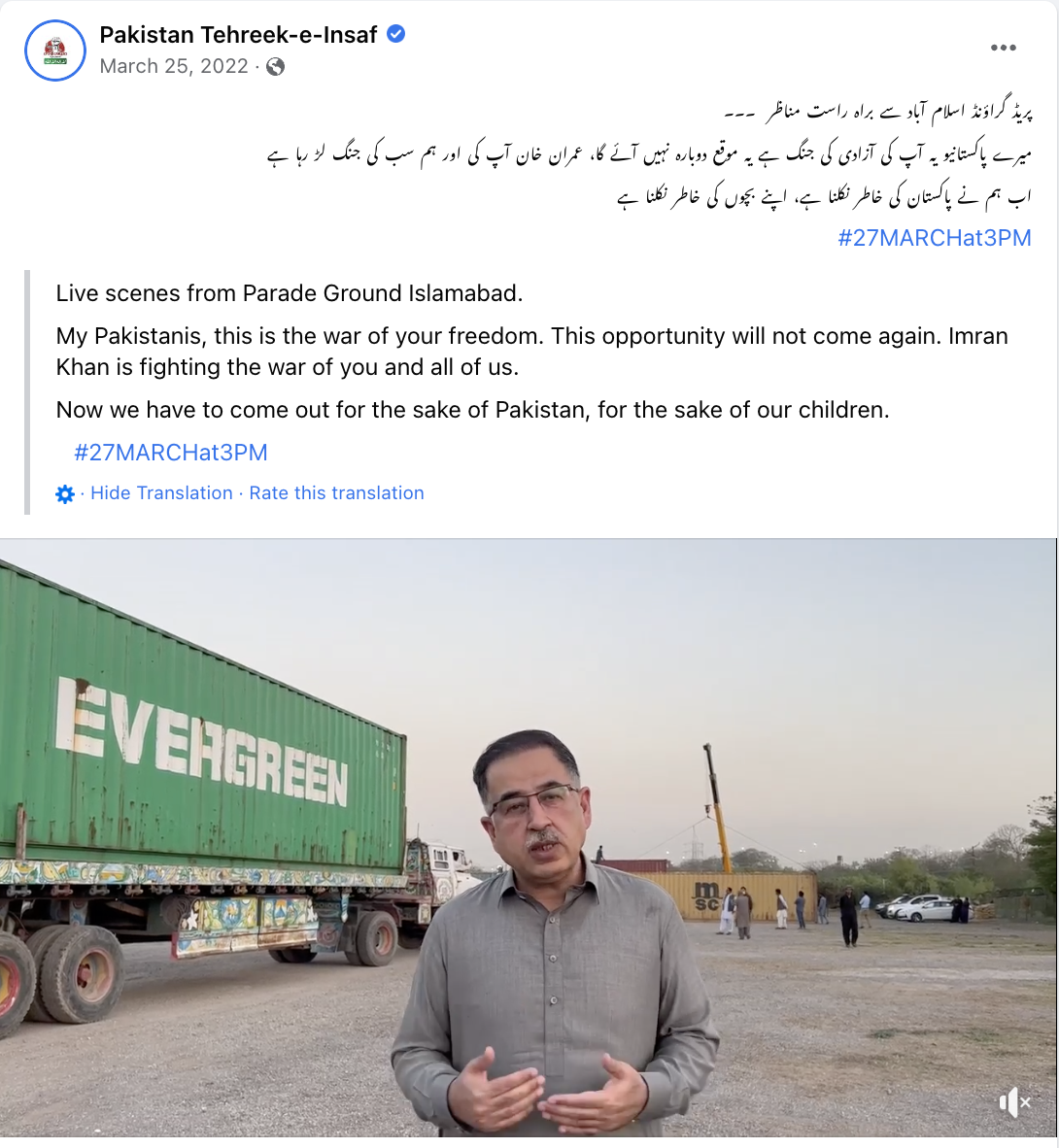
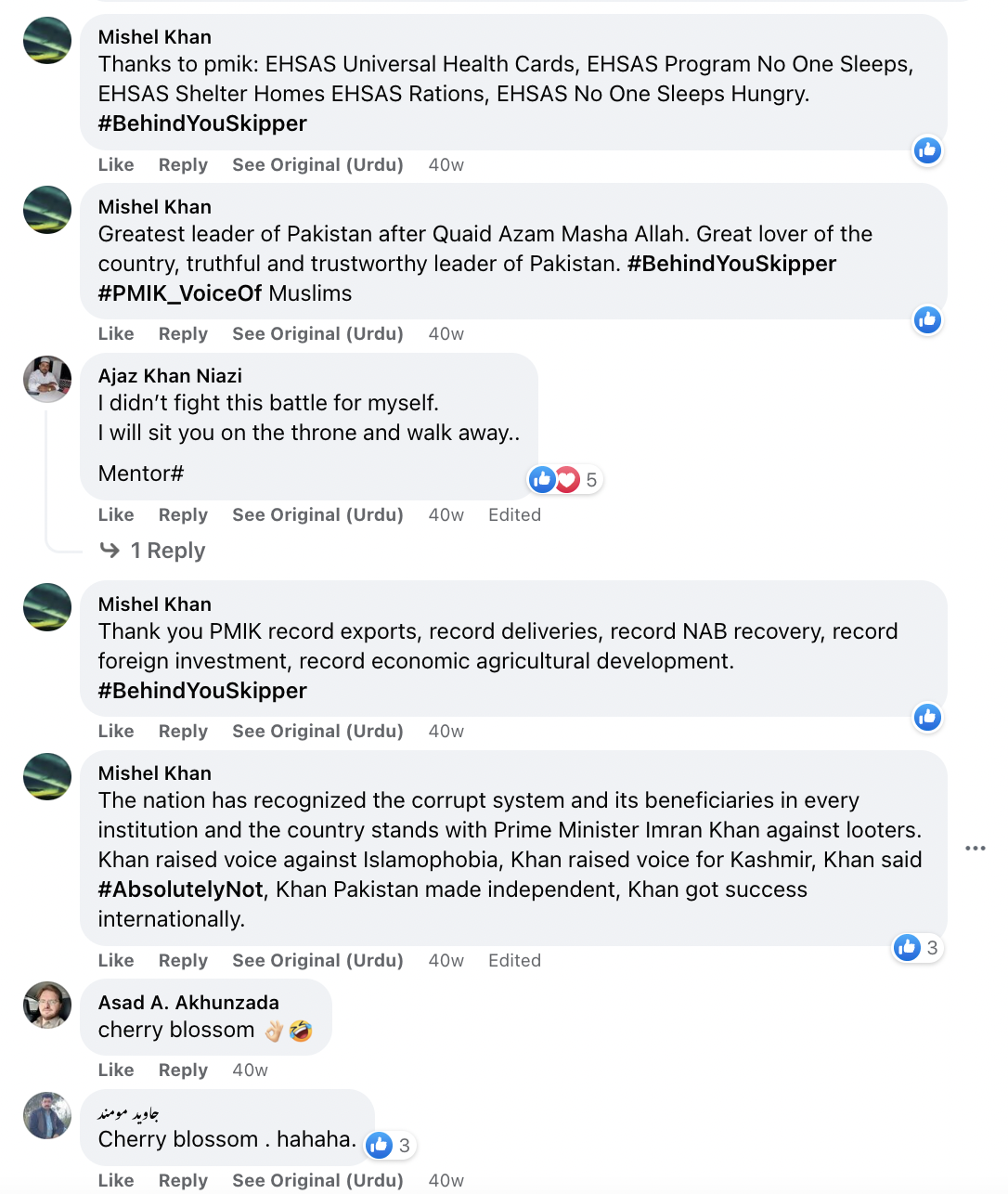
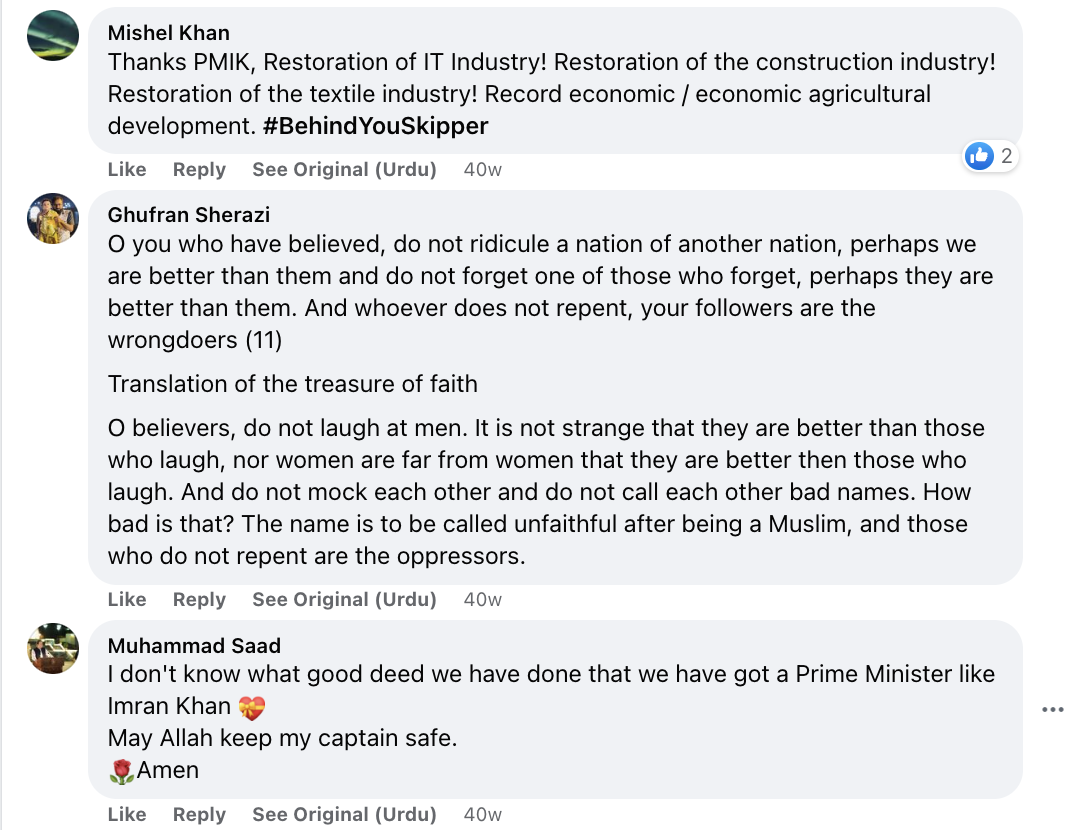
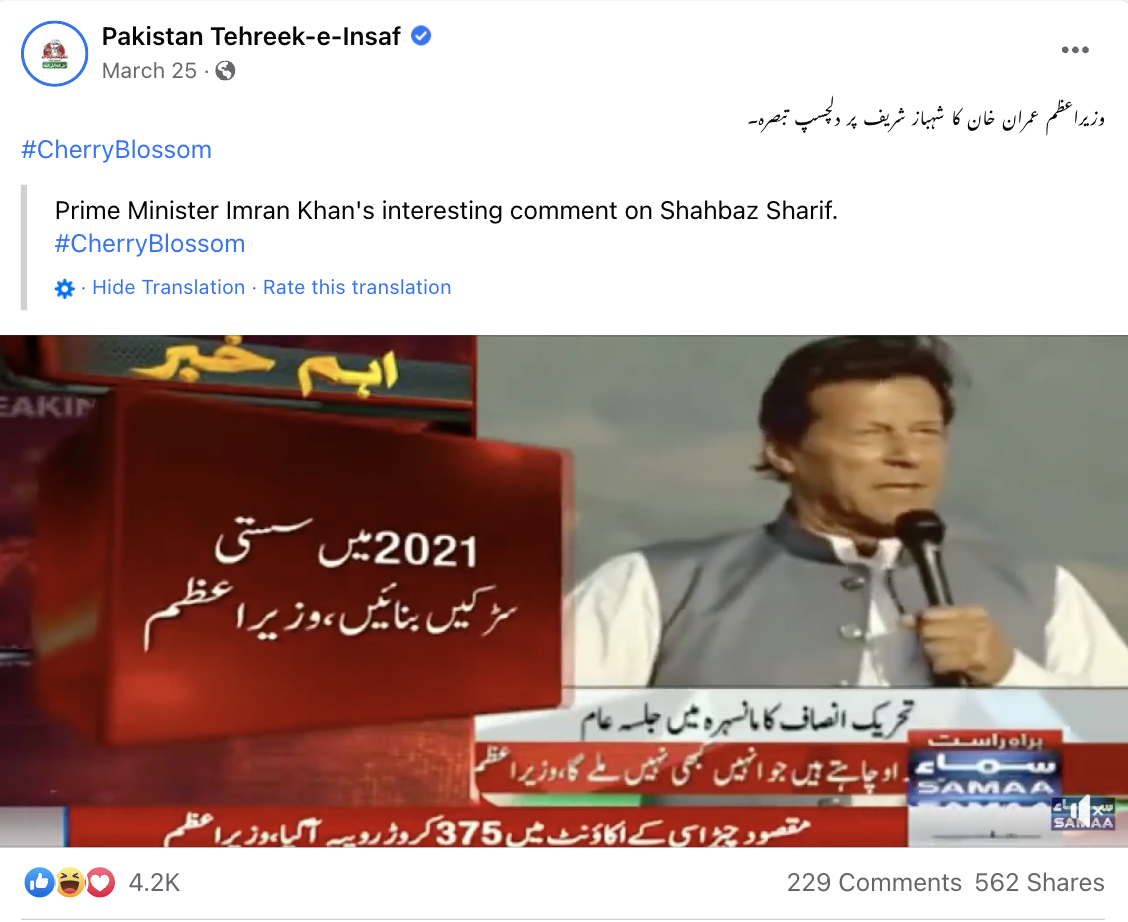
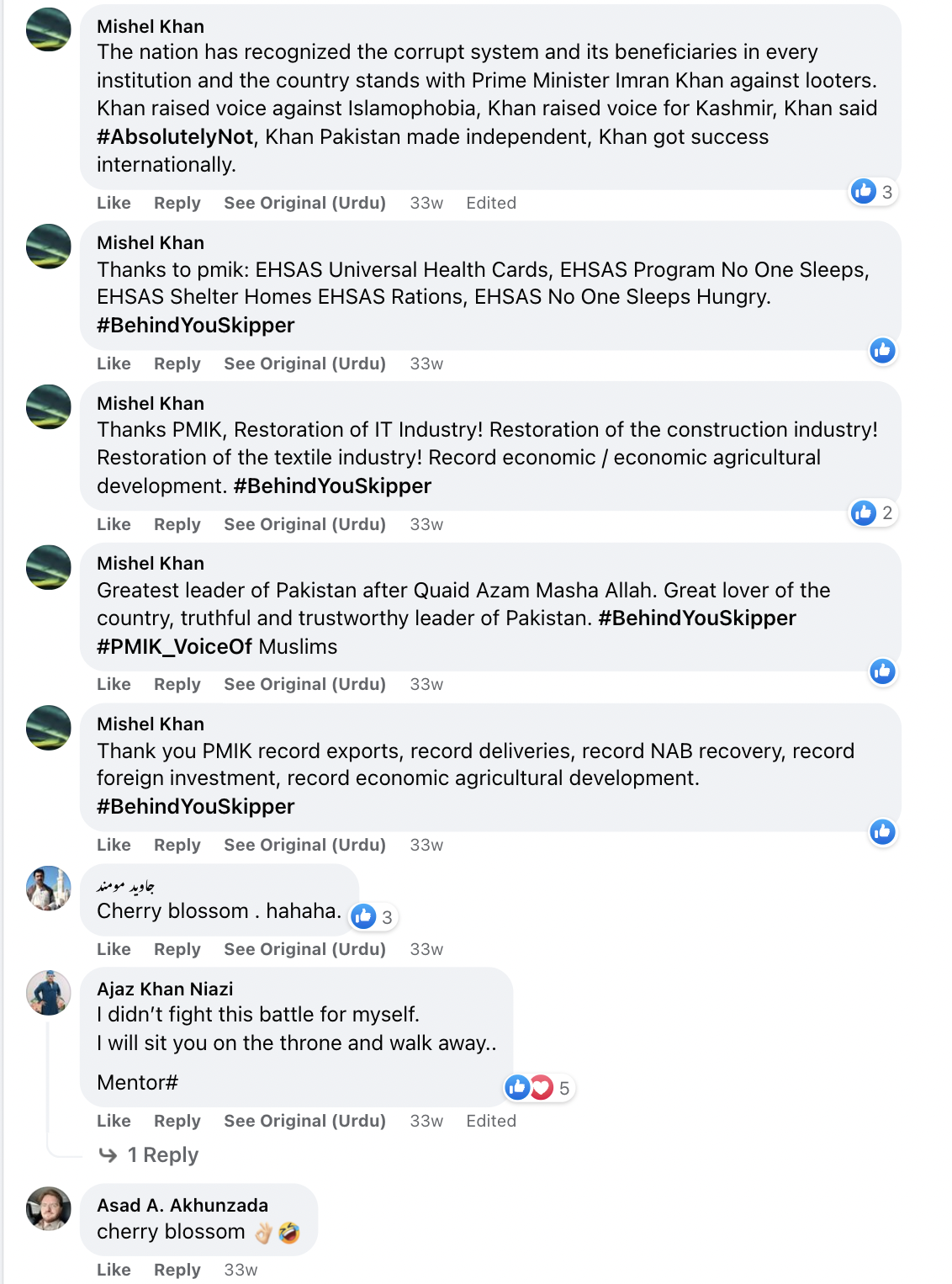
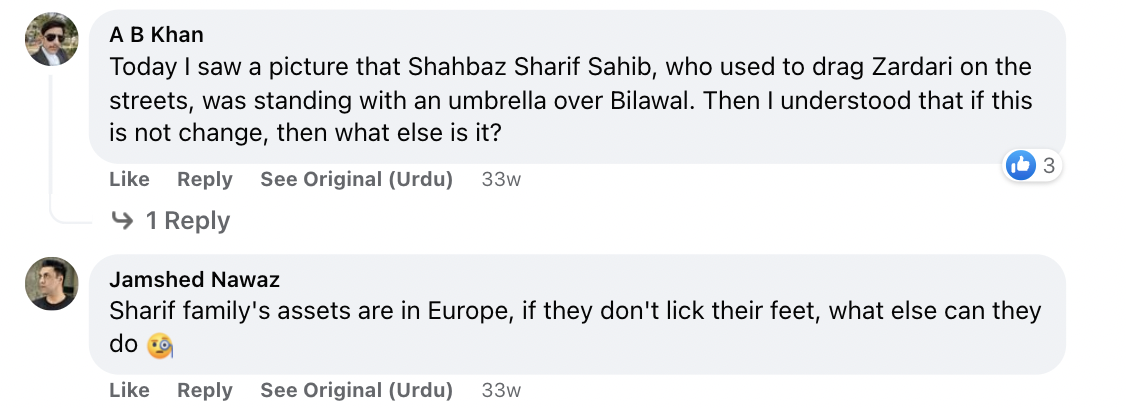
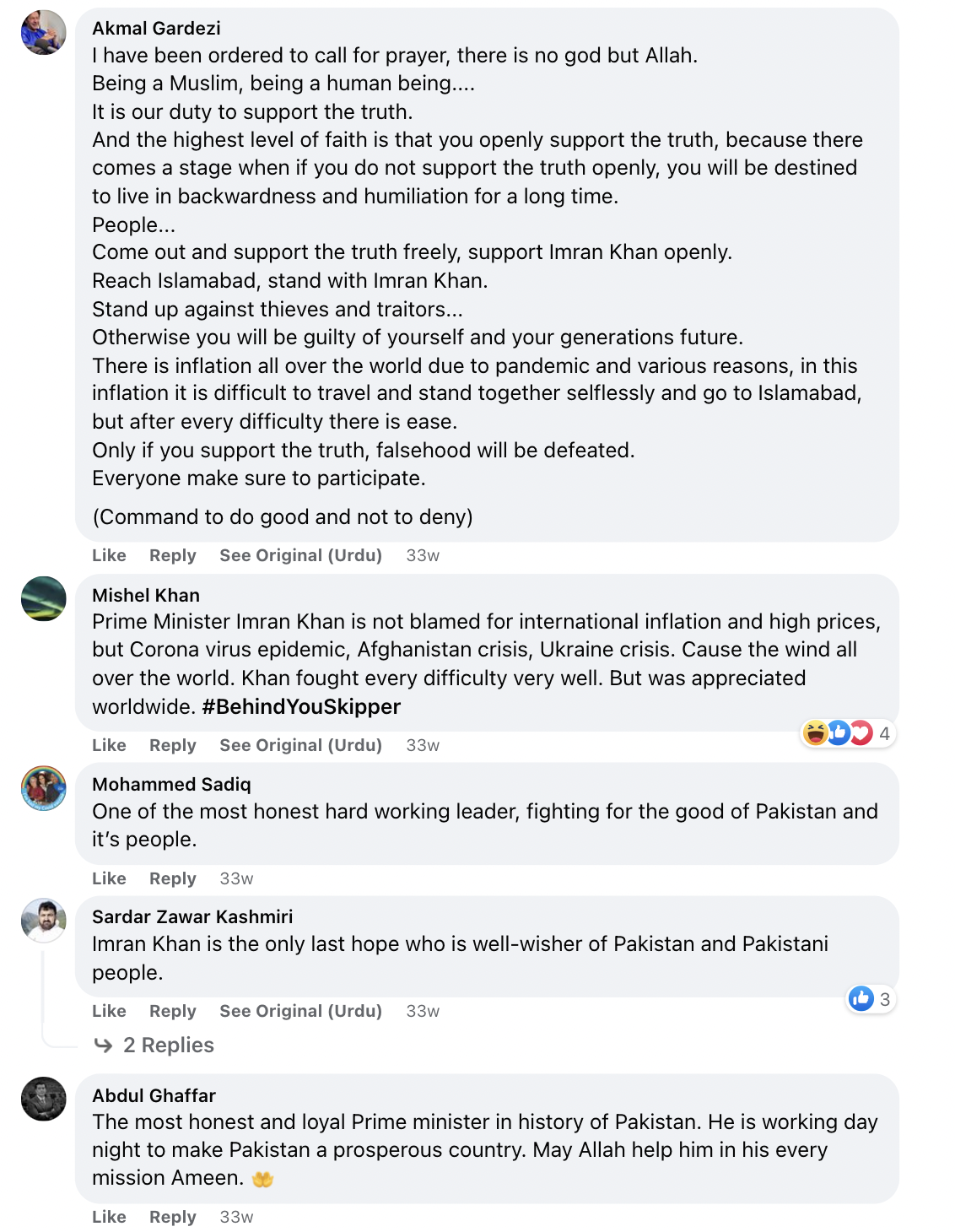
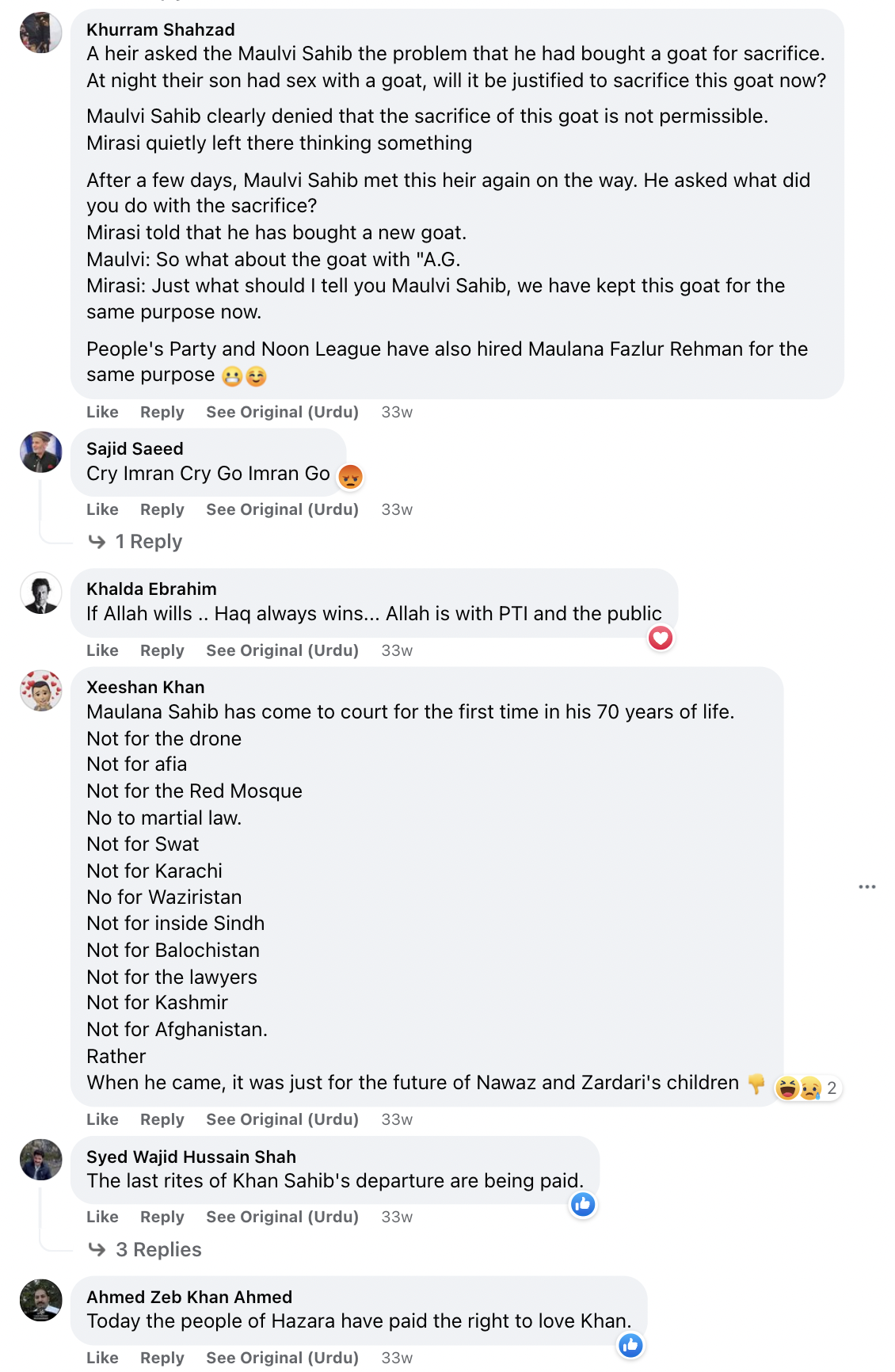
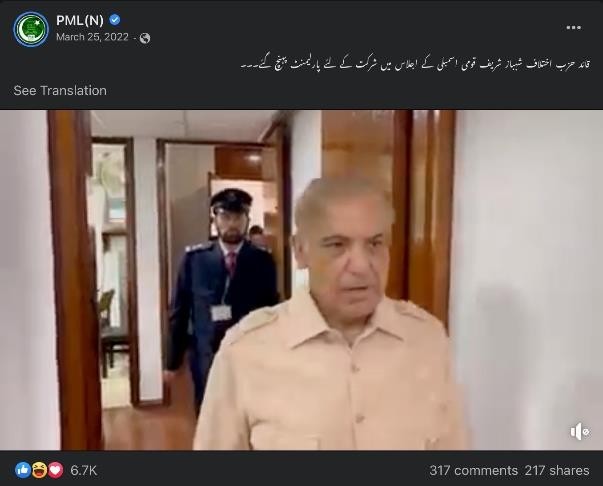
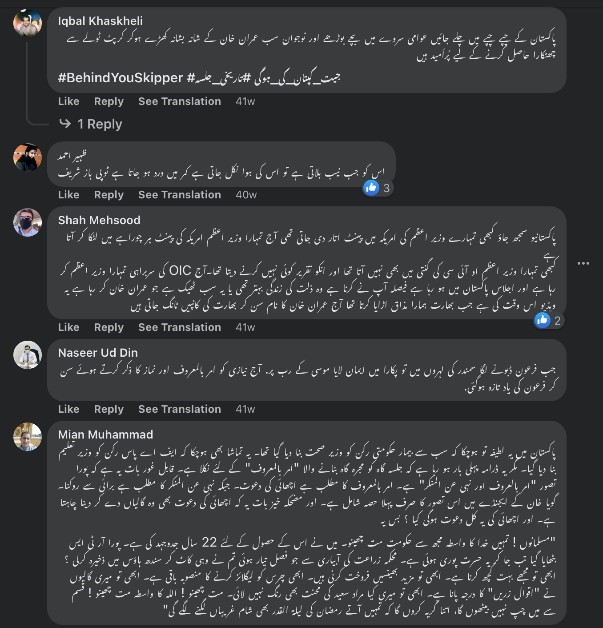
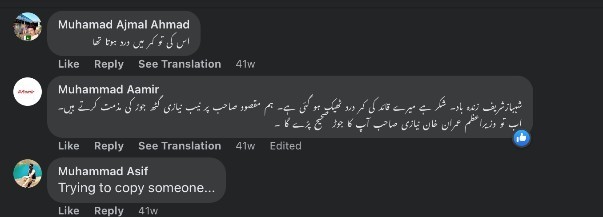
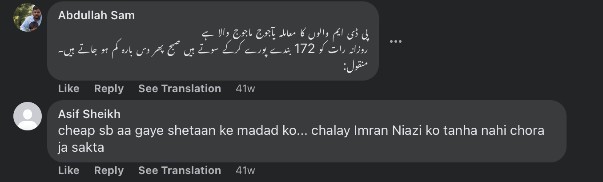
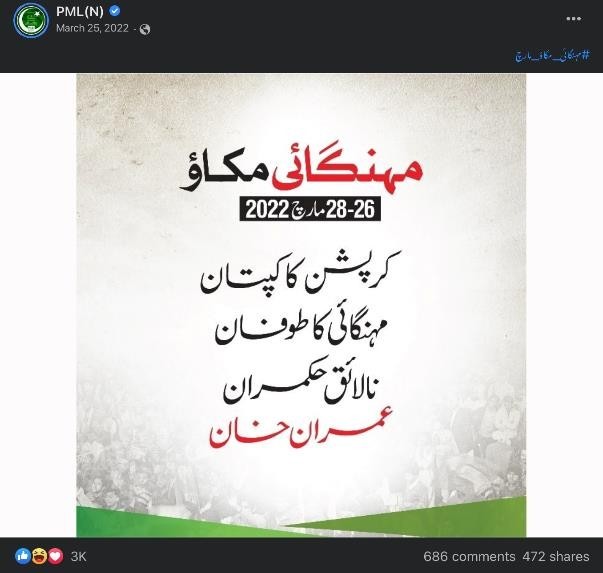
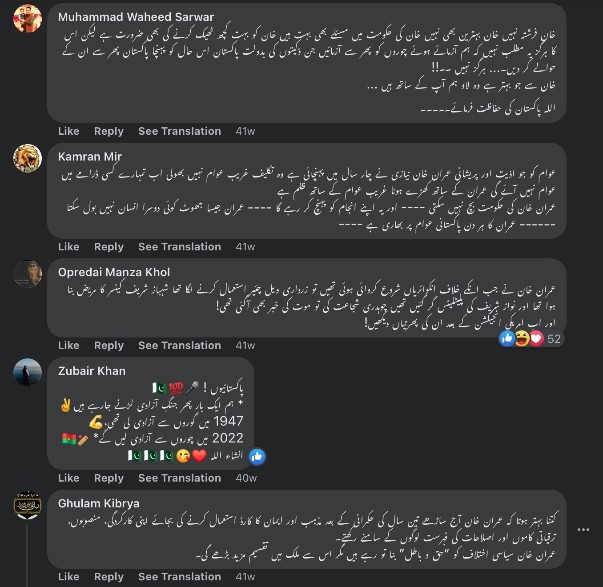
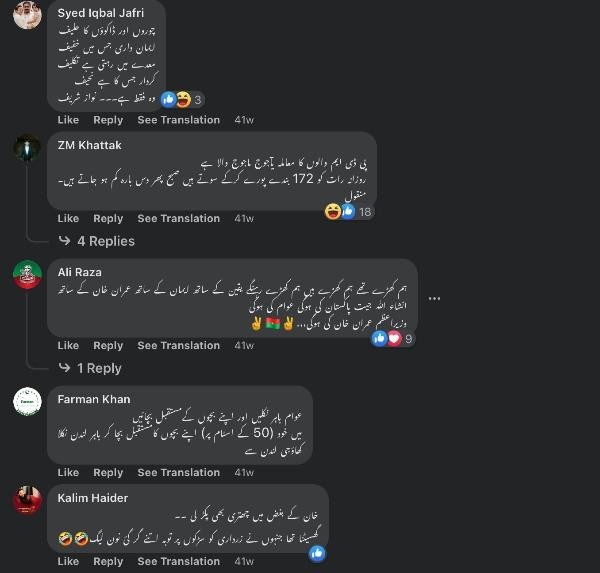
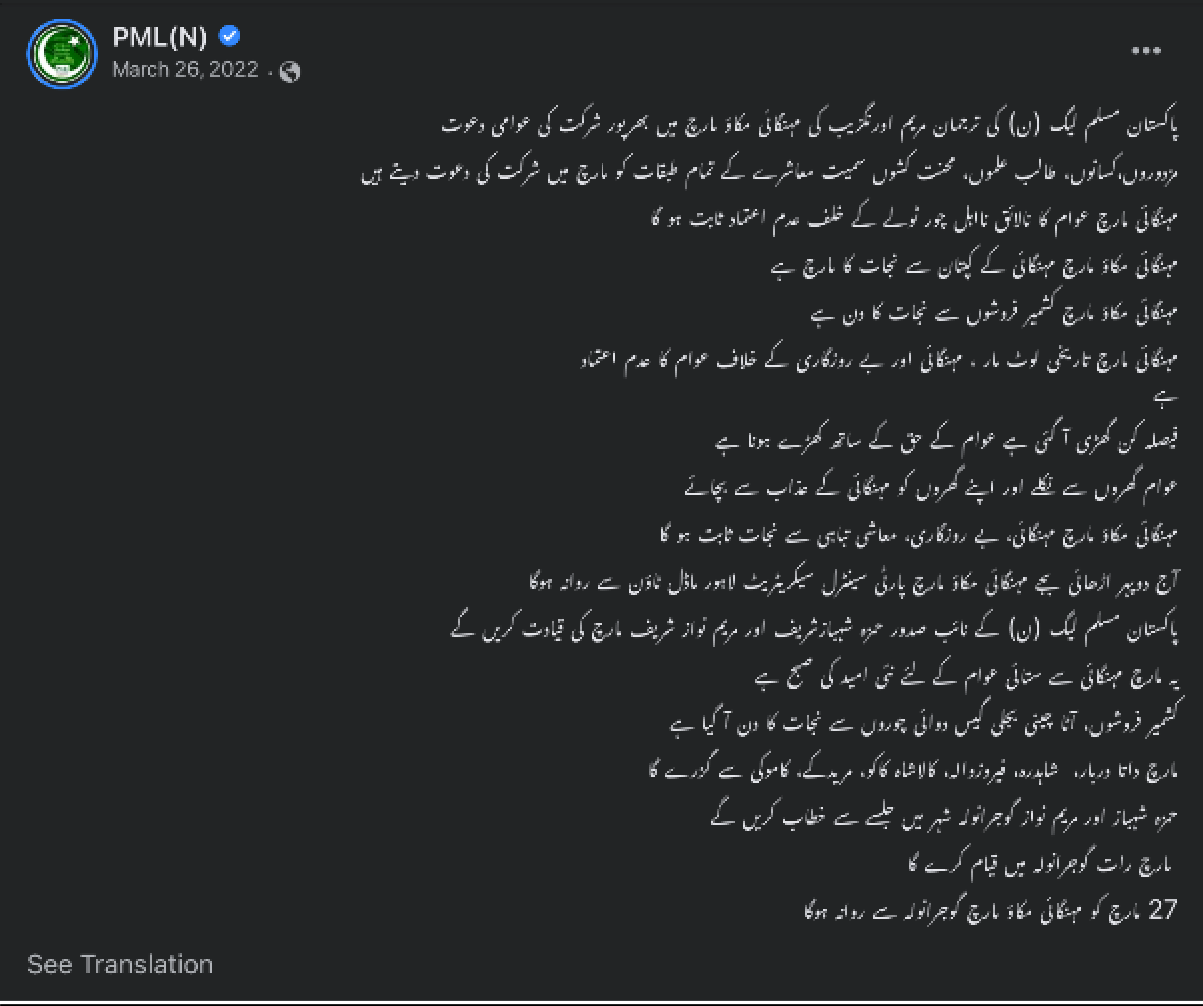
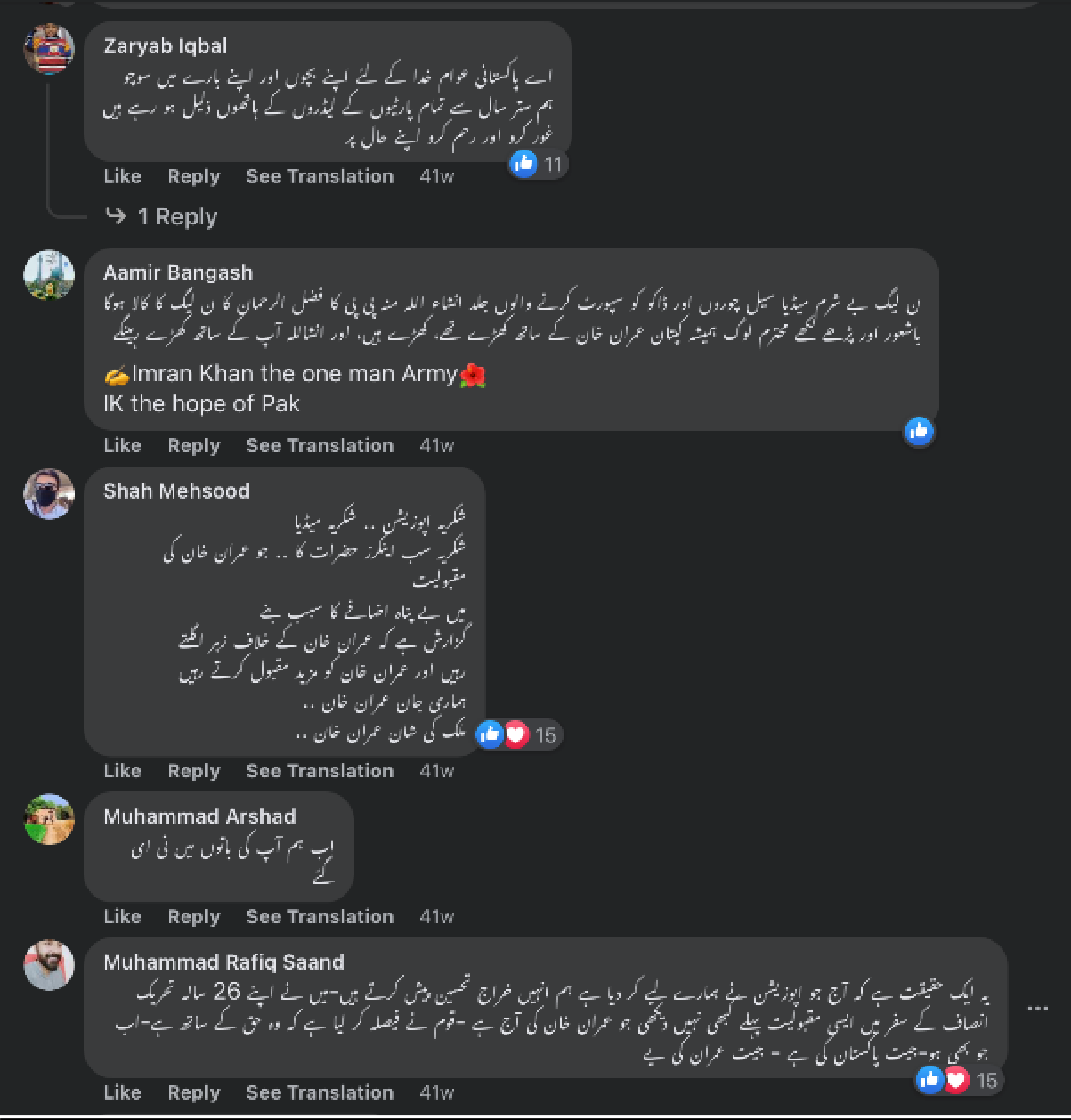
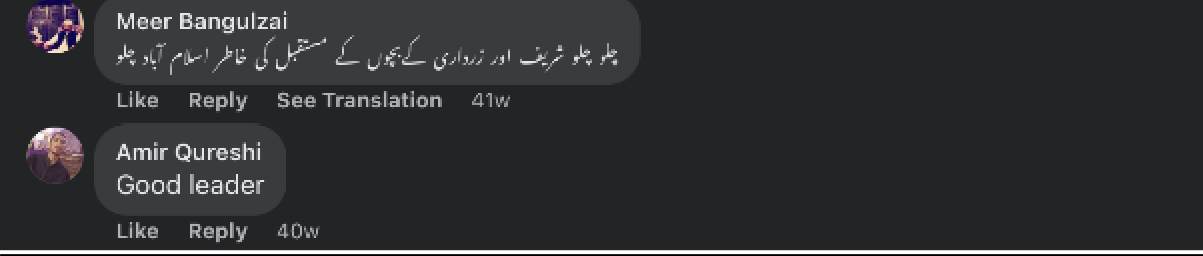
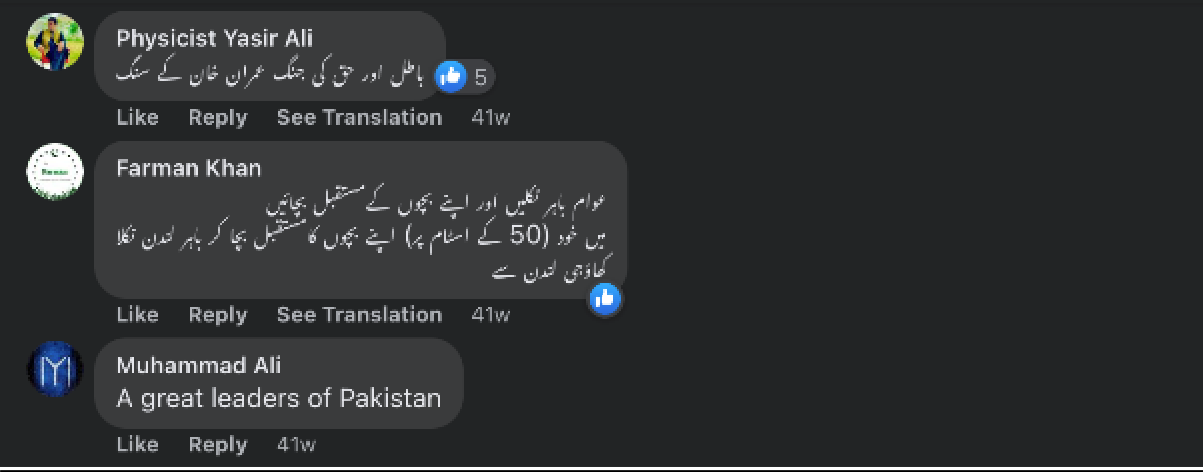
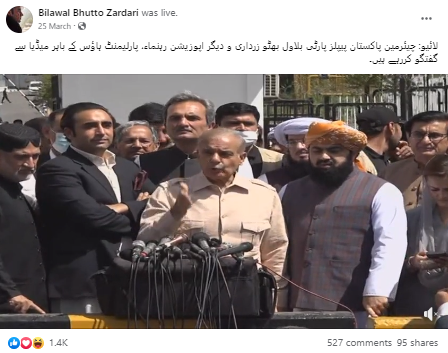
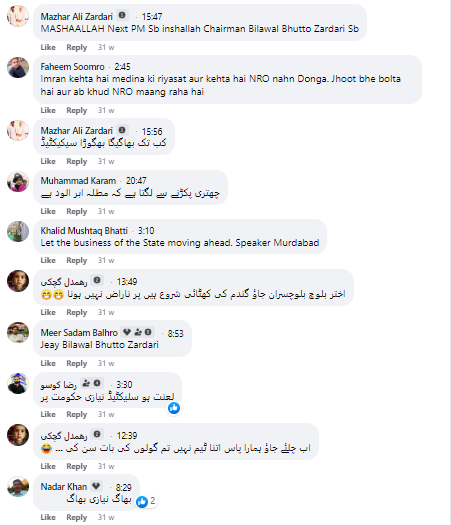
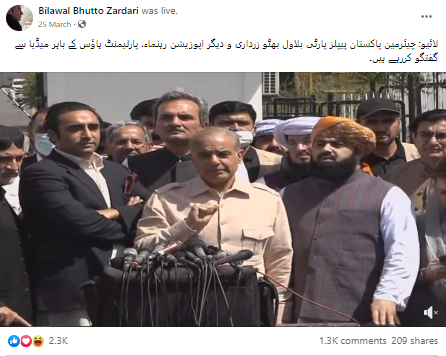
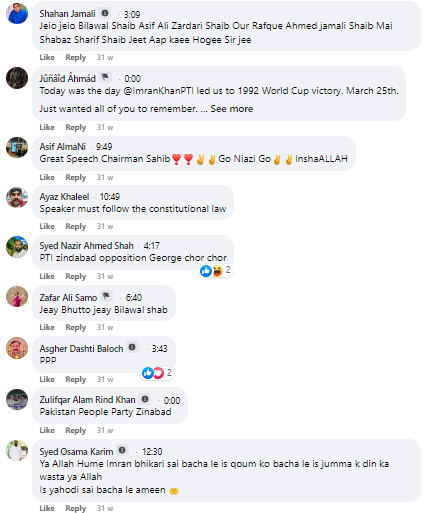
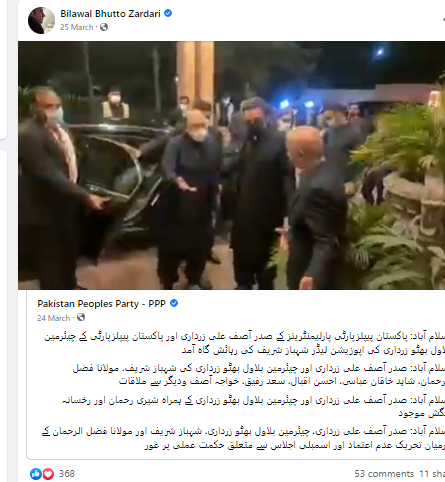
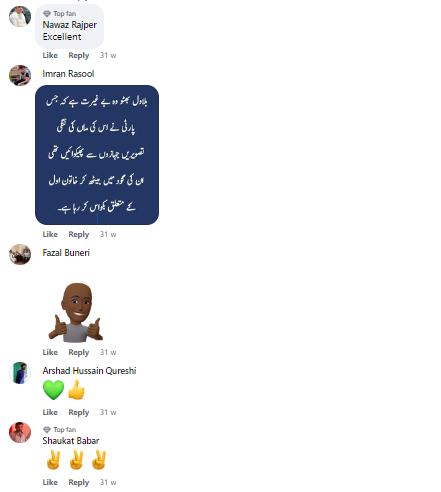
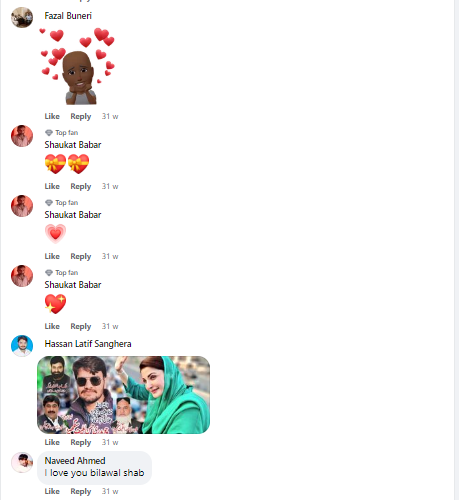
Table 1.
| Predominant Themes width="10%" valign="top">Codes width="25%" valign="top">Who is involved? (Character) width="26%" valign="top">Critical/ Supportive/Neutral width="16%" valign="top">Codes | > Politics (PTI, Imran Khan, Political Gathering). width="10%" valign="top">Imran Khan, Pakistan, 27th March at 3 PM, Parade Ground width="25%" valign="top">Imran Khan (leader of the political party PTI) width="26%" valign="top">Supportive (Justifying). width="16%" valign="top">Imran Khan is fighting, War for your freedom, For the sake of Pakistan, For the sake of our children, Opportunity. |
| Predominant Themes width="26%" valign="top">Codes width="19%" valign="top">Who is involved? (Character) width="20%" valign="top">Critical/>Supportive/ Neutral width="18%" valign="top">Codes | > Gratitude, >Politics (PTI, Imran Khan), >Religion. width="26%" valign="top">Thanks to PMIK, #BehindYouSkipper, the Greatest Leader of Pakistan,>Prime Minister Imran Khan against Looters, Cherry Blossom (a reference to the PMLN), Truthful Leader of Pakistan, >Oh, You Who Have Believed. width="19%" valign="top">Imran Khan (leader of the political party PTI) width="20%" valign="top">Supportive (Favourable, Appreciative). width="18%" valign="top">Thanks to PMIK, the Greatest leader of Pakistan after Quid-e-Azam, a Truthful, Trustworthy Leader of Pakistan, #BehindYouSkipper, PMIK against Looters, Imran Khan got success internationally, Restoration of IT/ construction/ textile. |
| Predominant Themes width="19%" valign="top">Codes width="27%" valign="top">Who is involved? (Character) width="29%" valign="top">Critical/ Supportive/ Neutral width="7%" valign="top">Codes | > Politics (PMLN, Shahbaz Sharif) width="19%" valign="top">Prime Minister Imran Khan, #CherryBlossom, Shahbaz Sharif width="27%" valign="top">Imran Khan (leader of the political party PTI) and Shahbaz Sharif (leader of PMLN political party) width="29%" valign="top">Critical (Satirical, Abusive). width="7%" valign="top">#CherryBlossom |
| Predominant Themes width="19%" valign="top">Codes width="19%" valign="top">Who is involved? (Character) width="20%" valign="top">Critical/>Supportive/ Neutral width="23%" valign="top">Codes | > Politics (Imran Khan, PMLN, Shahbaz Sharif). width="19%" valign="top">Prime Minister Imran Khan, #CherryBlossom, Shahbaz Sharif Sahib, Zardari, Bilawal, Sharif Family, Corrupt System, #BehindYouSkipper, Looters, PMIK, width="19%" valign="top">Imran Khan (leader of the political party PTI) and Shahbaz Sharif (leader of PMLN political party) width="20%" valign="top">Supportive (Favourable/ Appreciative) width="23%" valign="top">Country stands with Prime Minister Imran Khan, Khan raised voice for Kashmir, Khan said #AbsolutelyNot, Thanks to pmik, Greatest leader of Pakistan, Truthful and Trustworthy Leader, Cherry Blossoms hahaha, Cherry Blossom??. |
| Predominant Themes width="17%" valign="top">Codes width="18%" valign="top">Who is involved? (Character) width="23%" valign="top">Critical/>Supportive/ Neutral width="22%" valign="top">Codes | > Politics (PTI), Political Gathering (at Mansehra) width="17%" valign="top">#CaptainWillWin, #CornoredTigers. width="18%" valign="top">N/A width="23%" valign="top">Neutral (Slant) width="22%" valign="top">Enthusiasm of people, Enough to send a message to the world that #CaptainWillWin |
| Predominant Themes width="21%" valign="top">Codes width="19%" valign="top">Who is involved? (Character) width="20%" valign="top">Critical/>Supportive/ Neutral width="19%" valign="top">Codes | > Politics (PTI, Imran Khan, Noon League), >Religion. width="21%" valign="top">Noon League, Stand with Imran Khan, #BehindYouSkipper, Honest hard-working leader, Imran Khan, Honest Prime Minister, Nawaz and Zardari’s Children, PTI, >Prayer, Allah, Faith, Ameen, Allah is with PTI, Haq always wins, width="19%" valign="top">Imran Khan width="20%" valign="top">Supportive (Favourable, Appreciative) + Critical (Negative, Abuse) width="19%" valign="top">Stand with Imran Khan, Stand up against thieves and traitors, #BehindYouSkipper, Honest hard-working leader, Fighting for the good of Pakistan, Imran Khan is the only last hope, Honest and Loyal Prime Minister, Allah is with PTI, Cry Imran Cry, Go Imran Go. |
| Predominant Themes width="20%" valign="top">Codes width="19%" valign="top">Who is involved? (Character) width="23%" valign="top">Critical/>Supportive/ Neutral width="18%" valign="top">Codes | > Politics, Meeting width="20%" valign="top">‘Qaumi Assembly’,>‘Ijlaas’,>‘Parliament’ width="19%" valign="top">Shahbaz Shareef width="23%" valign="top">Supportive width="18%" valign="top">‘Quaid Hazb’ |
Interpretation; Posted on the 25th of March, this post was uploaded on Pakistan Muslim League’s (PMLN) official Facebook page. The post informs about the presence of Shahbaz Shareef at an Assembly Meeting at the Parliament. Attached with it is a video of Shahbaz Shareef entering the Parliament for the meeting.
Table 8
| width="21%" valign="top"> Codes width="18%" valign="top">Who is involved? (Character) width="20%" valign="top">Critical/>Supportive/ Neutral width="21%" valign="top">Codes | > Politics, Character Assassination, Mocking width="21%" valign="top">‘Corrupt tola’, ‘TopiBaaz’,>‘Firaun’, ‘Kamarmaidard’, ‘NAB’, ‘Shaitaan’, ‘Chor’ width="18%" valign="top">Shahbaz Shareef, Imran Khan width="20%" valign="top">Critical (Negative, Taunting, Sarcastic) width="21%" valign="top">‘Hawa nikal jaati hai’, ‘Shukar hai mere quaid’,>‘Corruptolay say chutkara’ |
Interpretation: The comment section for this post is majorly negative. Almost all the comments are filled with accusations, demeaning phrases, and mockery. The major theme among the comments is that of support for Imran Khan and Pakistan Tehreek-e-Insaaf (PTI). Hence, all the comments are in opposition to PMLN and Shahbaz Shareef. A few days before this post Shahbaz Shareef did not attend a meeting which he had with the National Accountability Bureau (NAB) due to alleged back pain. Some of the comments have called this out by mocking his claims of back pain and instead claiming that the reason he missed the meeting was because he feared appearing in front of the bureau.
Table 9
| Predominant Themes width="21%" valign="top">Codes width="19%" valign="top">Who is involved? (Character) width="20%" valign="top">Critical/>Supportive/ Neutral width="21%" valign="top">Codes | > Accusatory, Defaming, Leading to>change width="21%" valign="top">‘Corruption ka captain’, ‘Nalaiqhukumraan’ width="19%" valign="top">Imran Khan width="20%" valign="top">Negative width="21%" valign="top">‘Mehngayikatoofaan’ |
| Predominant Themes width="21%" valign="top">Codes width="19%" valign="top">Who is involved? (Character) width="20%" valign="top">Critical/>Supportive/ Neutral width="21%" valign="top">Codes | > Negative, Accountability, Maligning width="21%" valign="top">‘Inquiry shuru hui tohShahbazko cancer hogaya’, ‘Awaambahir>niklay’, ‘2022 mai choro say azaadi le’ width="19%" valign="top">Imran Khan, Shahbaz Shareef width="20%" valign="top">Neutral (both Supportive & Critical) width="21%" valign="top">‘Azmaayehuaychor’, ‘Choraurdaako’, ‘Imran kay saath’, ‘Khan kihukoomatbachnahisakti’ |
| Predominant Themes width="17%" valign="top">Codes width="22%" valign="top">Who is involved? (Character) width="21%" valign="top">Critical/>Supportive/ Neutral width="20%" valign="top">Codes | > Politics, Protest width="17%" valign="top">‘Jalsa’, ‘MehngayiMukao March, width="22%" valign="top">Maryam Nawaz, Hamza Shahbaz width="21%" valign="top">Critical width="20%" valign="top">‘MehngayiMukao March’, ‘Satayi hui awaam’ |
| Predominant Themes width="19%" valign="top">Codes width="20%" valign="top">Who is involved? (Character) width="21%" valign="top">Critical/>Supportive/ Neutral width="20%" valign="top">Codes | > Opposition, Dismissive, Accusatory width="19%" valign="top">‘rehamkaro’, ‘chor’, ‘aapkibaatomainahi>ayenge’ width="20%" valign="top">Maryam Nawaz, Hamza Shahbaz width="21%" valign="top">Critical (for PMLN)>Positive (for PTI) width="20%" valign="top">‘Leaders kay haathozaleelhorahayhai’, ‘Besharam’,>‘Baatilaurhaq’, ‘Khan kimaqbooliyat’ |
| Predominant Themes width="22%" valign="top">Codes width="24%" valign="top">Who is involved? (Character) width="20%" valign="top">Critical/>Supportive/ Neutral width="12%" valign="top">Codes | > Politics (PDM, PPPP) width="22%" valign="top">Chairman PPP Bilawal Bhutto Zardari>Opposition Leaders,>Parliament House width="24%" valign="top">Chairman PPP Bilawal Bhutto Zardari>Prime Minister Pakistan Shehbaz Sharif width="20%" valign="top">Neutral (Mixed)> width="12%" valign="top">>--- |
| Predominant Themes width="25%" valign="top">Codes width="18%" valign="top">Who is involved? (Character) width="21%" valign="top">Critical/>Supportive/ Neutral width="12%" valign="top">Codes | > Politics (Support for Bilawal Bhutto) width="25%" valign="top">Next Prime Minister, Jiye Bhutto, width="18%" valign="top">Bilawal Bhutto width="21%" valign="top">Supportive (favourable) width="12%" valign="top">Next PM, Jiye Bhutto |
Interpretation; So, keeping in mind the codes/themes available in the comments of the post, it can be concluded that the responses have ‘Support for Bilawal Bhutto’ and ‘Negative criticism of Shehbaz Sharif’, and ‘Hate for Imran Khan’ as three predominant themes in them as they contain words like; ‘Next PM Bilawal Bhutto’, ‘Liar’, ‘Wishing death’, ‘Go to Balochistan’, ‘damnation’, ‘Go away’, ‘Run away Niazi’, and ‘Long live Bilawal’. The responses are about Bilawal Bhutto Zardari, Imran Khan, and Shehbaz Sharif and the text of the responses contains a Critical (negative, satirical, cynical, and abusive) and Supportive (Favouring) angle with words like ‘Go’, ‘Run’, ‘Long Live’ and ‘Liar’.
Table 15
| Predominant Themes width="21%" valign="top">Codes width="28%" valign="top">Who is involved? (Character) width="20%" valign="top">Critical/>Supportive/Neutral width="9%" valign="top">Codes | > Politic (PDM, PPPP) width="21%" valign="top">Chairman PPP Bilawal Bhutto Zardari>Opposition Leaders,>Parliament House width="28%" valign="top">Chairman PPP Bilawal Bhutto Zardari>Prime Minister Pakistan Shehbaz Sharif width="20%" valign="top">Neutral (Mixed)> width="9%" valign="top">>--- |
| Predominant Themes width="21%" valign="top">Codes width="20%" valign="top">Who is involved? (Character) width="21%" valign="top">Critical/>Supportive/ Neutral width="17%" valign="top">Codes | > Politics (Support for Bilawal Bhutto / PPPP)>Politics (Support for Shehbaz Sharif)>Politics (Support for Imran Khan / PTI)>Politics (Anti-PMLN / Shehbaz Sharif)>Politics (Anti- Imran Khan) width="21%" valign="top">JieoBilawal air Rafque Ahmed, Great speech Chairman Sahab, Jiye Bhutto jiyebilawal>Jeetaapkihogee>Today was the day Imran Khan led us to a 1992 world cup victory, PTI zindabad>Involvement of big hands, speaker must follow constitutional law, opposition chorchor>Ya Allah hume Imran bhikari se bacha, yahoodi se bacha le width="20%" valign="top">Bilawal Bhutto>Shehbaz Sharif>Imran Khan>Shehbaz Sharif>Imran Khan width="21%" valign="top">Supportive (favourable)>Supportive (favourable)>Supportive (favourable)>Critical (negative, abusive)>Critical (negative) width="17%" valign="top">JiyeBilawal Bhutto, Great speech, PPP, PPP zindabad>Jeetaapkihogee>Led us to world cup victory>Involvement of big hands, speaker must follow constitutional law, opposition chorchor>Bhikari, Yahoodi |
| Predominant Themes width="9%" valign="top">Codes width="38%" valign="top">Who is involved? (Character) width="16%" valign="top">Critical/>Supportive/>Neutral width="14%" valign="top">Codes | > Politic (PPPP, PMLN) width="9%" valign="top">Image width="38%" valign="top">Chairman PPP Bilawal Bhutto Zardari,>Asif Ali Zardari, Shehbaz Sharif width="16%" valign="top">Neutral (Mixed)> width="14%" valign="top">--- |
Interpretation; This post contains an image of Asif Ali Zardari and Bilawal Bhutto Zardari arriving at Prime Minister Shehbaz Sharif’s residence
Table 18
| Predominant Themes width="24%" valign="top">Codes width="19%" valign="top">Who is involved? (Character) width="21%" valign="top">Critical/>Supportive/ Neutral width="13%" valign="top">Codes | > Politics (Support for Bilawal Bhutto / PPPP)>Politics (Anti-PPPP / Bilawal Bhutto)>Politics (Support for Maryam Nawaz) width="24%" valign="top">Excellent, thumbs up sticker, heart emojis, victory sign emojis and thumbs up emojis>Bilawal wo begairat ha k jis party ne is kimaakitasweerainjahazo se phenki in ki gaud me bethkrkhatoon e awal k mutaliqbakwaskrraha ha Image width="19%" valign="top">Bilawal Bhutto, Shehbaz Sharif>Bilawal Bhutto>Maryam Nawaz width="21%" valign="top">Supportive (favourable)>Critical (satirical, abusive)>Critical (favourable) width="13%" valign="top">Emojis>Negative image>Image |